
Currently Empty: $0.00

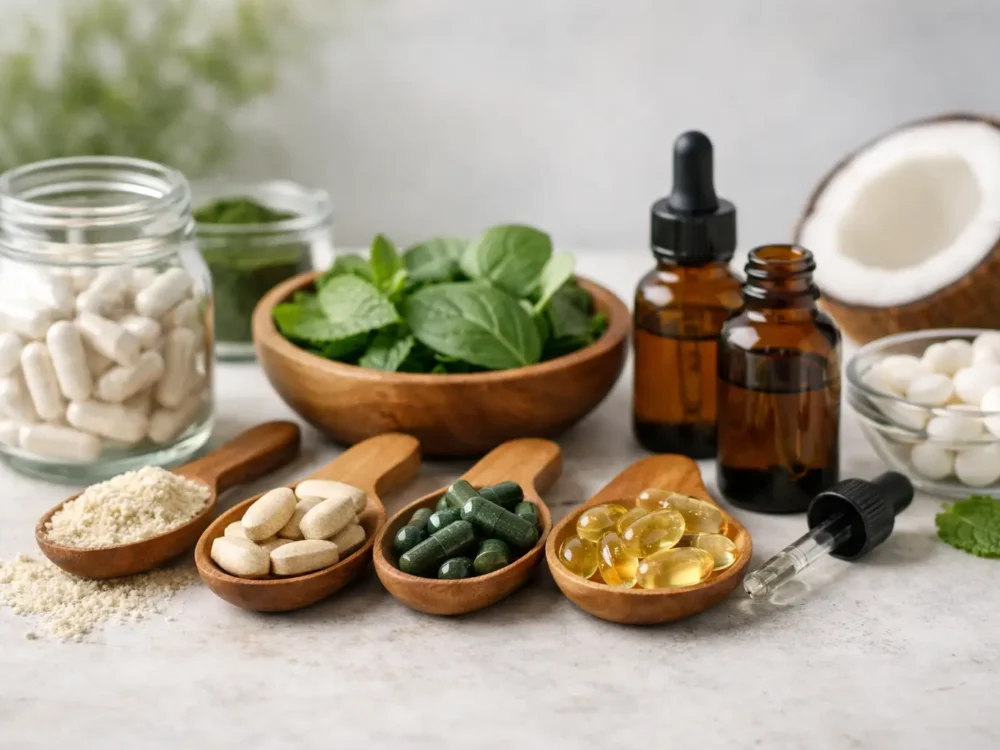
A supplement can look clean on the front of the bottle and still leave plenty of questions on the back. This guide to clean label supplements helps you move past attractive claims and assess what you are actually taking, from the active ingredient and dose to the additives, format, and quality signals that fit your routine.
For busy people, clean label buying should make wellness simpler, not turn every purchase into a research project. The goal is not to find a product with the longest list of badges. It is to choose one with a clear purpose, an understandable formula, and standards you can verify.
What a Clean Label Supplement Really Means
“Clean label” is a useful consumer term, but it is not a single regulated standard. A clean label supplement generally aims for a short, transparent ingredient list and avoids unnecessary artificial colors, flavors, sweeteners, or fillers. It may also carry claims such as vegan, non-GMO, cruelty-free, organic, or free from common allergens.
Those signals can be valuable, but none automatically proves that a supplement is right for you or that it delivers a meaningful dose. A product can be vegan and still contain more sugar than you want. An organic oil can be a great choice for a daily routine, but the serving size, sourcing, packaging, and intended use still matter.
Think of clean label as a starting point for better questions. What is the active ingredient? How much is in one serving? Why are the other ingredients there? Does the format make it realistic to use consistently?
Start With the Supplement Facts Panel
The front label sells the benefit. The Supplement Facts panel gives you the details needed to compare products fairly. Start there before you get carried away by a wellness claim or a limited-time offer.
First, identify the active ingredient and its amount per serving. If you are shopping for electrolytes after sweaty workouts, check the actual sodium, potassium, magnesium, and other mineral amounts instead of relying on a broad “hydration” statement. If you are choosing black seed oil softgels, look for clear disclosure of the oil amount and relevant quality markers, such as thymoquinone content when that is the feature being highlighted.
Next, check the serving size. One brand may present its numbers for one capsule while another uses two or three. Effervescent tablets may be convenient and enjoyable to drink, but compare the nutrient amount per tablet and the total daily recommendation. Convenience is a real benefit only when it delivers the amount you are looking for without adding ingredients that do not work for your preferences.
Finally, distinguish an ingredient’s form from its marketing name. A familiar botanical name does not tell you whether the product uses a powder, extract, oil, or standardized compound. Each form can have a different concentration and use case. Clear labeling makes that distinction easy to see.
Read the “Other Ingredients” Without Panic
A short other-ingredients list is often a positive sign, but every added ingredient is not automatically a red flag. Capsules need a shell. Powders may need an anti-caking agent. Effervescent tablets need ingredients that help them dissolve, create fizz, and taste pleasant enough for regular use.
The question is whether each ingredient has a clear functional role and aligns with your needs. For example, a plant-based capsule shell may suit someone avoiding gelatin. Citric acid and bicarbonate can be expected in an effervescent format. A small amount of natural flavor can make a hydration product easier to take after training.
Be more cautious when the formula relies heavily on artificial colors, vague proprietary blends, excessive added sugars, or a long list of ingredients with no obvious purpose. If an ingredient is unfamiliar, do not assume it is harmful. Look for a plain-language explanation of why it is included, then decide whether it belongs in your routine.
Know Which Clean Claims Matter to You
Quality badges are most helpful when they reflect a priority you genuinely have. Buying every possible claim can raise the price without improving your experience. Focus on the standards that match how you eat, train, and live.
Vegan products are useful for people avoiding animal-derived ingredients, including gelatin capsules. Non-GMO claims may matter if ingredient sourcing is central to your buying decisions. Cruelty-free positioning can be relevant for shoppers who want personal wellness products aligned with their broader values. Organic certification can be particularly meaningful for ingredients where farming practices and raw-material sourcing are part of the appeal.
Allergen information deserves the same attention. If you have a diagnosed allergy, a health condition, are pregnant or nursing, or take prescription medications, clean packaging is not a substitute for professional guidance. Discuss new supplements with a qualified healthcare professional, especially products with concentrated botanicals or minerals.
Choose a Format You Will Actually Use
The cleanest formula in the world does little if it sits unopened in a cabinet. Your preferred format is part of product quality because consistency shapes whether a routine is practical.
Softgels are a straightforward option for oils and oil-based ingredients. They are portable, measured, and easy to build into a morning or evening habit. Capsules work well when you want a simple, tasteless format that travels easily. Effervescent tablets offer a practical alternative for people who struggle with pills or want a flavored hydration option that encourages them to drink more water.
There are trade-offs. A liquid oil can be flexible for topical use, cooking, or blending, while softgels are usually more convenient for a consistent daily serving. An effervescent tablet may contain flavoring or sweetening ingredients that a plain capsule does not need. Neither is universally better. Match the format to the job it needs to do.
A Practical Guide to Clean Label Supplements for Daily Use
Before adding a supplement to your cart, use this quick decision filter. It keeps the process focused on usefulness rather than label overload:
- Define one goal, such as hydration support during exercise, a convenient daily oil, or a targeted botanical routine.
- Confirm the active ingredient, form, and serving amount on the Supplement Facts panel.
- Scan other ingredients for items that conflict with your dietary needs or preferences.
- Check that the claims you value, such as vegan, organic, non-GMO, or cruelty-free, are clearly stated rather than implied.
- Choose a format and flavor profile you can use consistently, then follow the label directions.
This approach also helps prevent supplement stacking. It is easy to buy several products with overlapping ingredients, especially when building a new wellness routine. Start with one or two products that serve distinct needs. Give yourself time to assess tolerance, convenience, and whether the routine fits your day before adding more.
Watch for Claims That Sound Better Than They Are
Clean label marketing should not replace realistic expectations. Be wary of products that promise dramatic results, claim to treat or cure disease, or use scientific language without telling you what is actually in the formula. “Advanced blend” and “maximum strength” are not useful details unless the label reveals the ingredient amounts behind them.
Proprietary blends deserve extra scrutiny. They are not always poor quality, but they can make it difficult to know how much of each component you are getting. Transparent individual amounts allow you to compare formulas and avoid paying for a label claim rather than a meaningful serving.
Also consider the whole product experience. A premium-looking bottle with unclear directions, no storage guidance, or a vague ingredient source may not offer the confidence you want. Straightforward labels, sensible instructions, and a brand that clearly presents its product standards usually make repeat purchasing easier.
Build a Routine, Not a Shelf of Half-Used Bottles
The best clean label strategy is modest and repeatable. Keep supplements where they fit naturally into your day: electrolyte tablets near your gym bag, softgels beside a meal you rarely skip, or a multipurpose oil where you will remember how you intend to use it. Small placement cues are often more effective than ambitious plans.
Sterling Nutrition focuses on this balance of traditional wellness ingredients and modern formats, helping make products such as softgels, capsules, and effervescents easier to use consistently. Still, the right choice always comes back to your needs, the label, and the habits you can maintain.
A clean label should give you more clarity, not more pressure. Choose products with transparent formulas, useful doses, and formats that earn a place in your everyday routine.